

Rural Internet Options: Best Providers for Underserved Areas in 2026
Quick Answer: The top rural internet providers in 2026 are generally satellite internet (like Viasat), fixed wireless providers like Rise Broadband, and DSL services such as CenturyLink. Availability and performance vary greatly by location, so it’s essential to confirm what’s available at your specific address. While not as fast as cable or fiber, these options offer connectivity where other internet types aren’t available.
Finding reliable internet in rural areas can be a real challenge. Many households lack access to the high-speed cable or fiber connections common in cities. Fortunately, several providers specialize in serving these underserved areas, and technology is always improving. Let’s explore the best rural internet options for 2026, what they offer, and how to find the right fit for your needs.

What Are the Biggest Challenges for Rural Internet?
Rural internet faces unique hurdles compared to urban areas. Here are the primary challenges:
- Infrastructure Costs: Laying cable or fiber across sparsely populated areas is expensive, making it difficult for traditional providers to justify the investment.
- Geographical Limitations: Terrain like mountains and forests can obstruct wireless signals, hindering the effectiveness of fixed wireless solutions.
- Lower Population Density: Fewer customers per square mile mean less revenue potential for providers, impacting their willingness to expand services.
- Outdated Infrastructure: Many rural areas still rely on older DSL technology, which offers slower speeds and less reliability than newer options.
These challenges contribute to the digital divide, where rural communities lag behind in internet access and speed.
Top Rural Internet Providers in 2026
Despite the challenges, several providers are committed to serving rural areas. Here are some of the leading options:
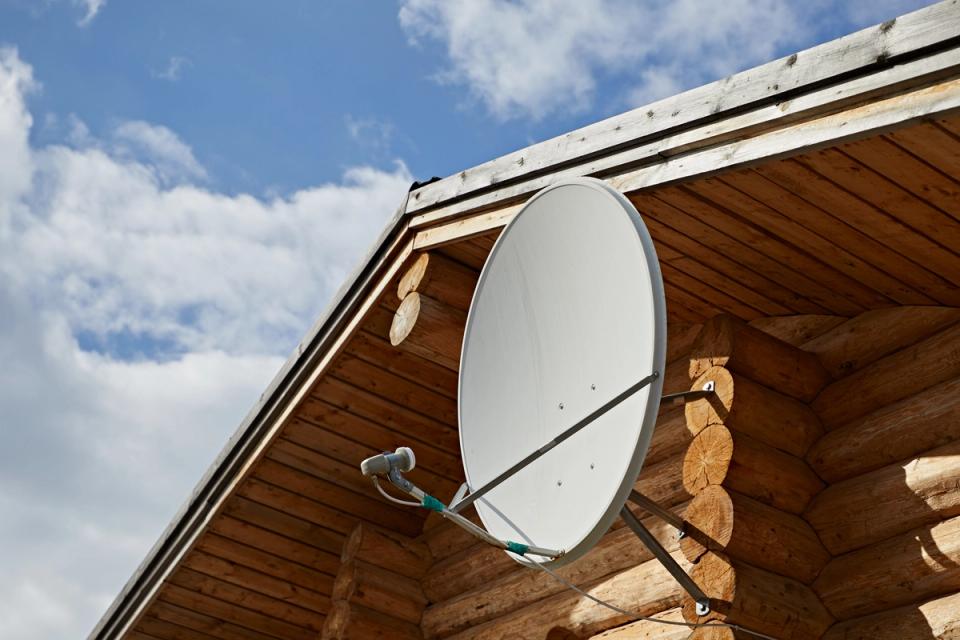
- Satellite Internet (like Viasat): Satellite internet uses satellites orbiting Earth to transmit data. It’s available virtually everywhere in the US, making it a reliable option for remote areas. Speeds range from 25–100 Mbps, but latency (delay) can be higher than other types of internet.
- Fixed Wireless (Rise Broadband): Fixed wireless providers use ground-based towers to transmit internet signals to homes and businesses. It offers faster speeds than satellite in some areas, with plans ranging from 25–50 Mbps. However, availability depends on proximity to a tower and a clear line of sight.
- DSL (CenturyLink): DSL (Digital Subscriber Line) uses existing phone lines to deliver internet service. While it’s an older technology, it’s still available in many rural areas. Speeds typically range from 10–40 Mbps, but can be slower depending on distance from the provider’s central office.
- Fiber Optic (Limited Availability): Some rural areas are starting to see fiber optic internet, which offers the fastest speeds and most reliability. However, fiber deployment is still limited due to high infrastructure costs. Check with local providers to see if fiber is available in your area.
- Mobile Hotspots: Using a mobile hotspot from your smartphone or a dedicated device can provide internet access in some rural areas. Speeds and data caps vary by provider and plan. This can be a viable option for light internet use, but may not be suitable for streaming or heavy browsing.
Understanding Internet Speeds and Data Caps
When choosing a rural internet provider, it’s important to understand internet speeds and data caps:
- Speed: Measured in Mbps (megabits per second), speed determines how quickly you can download and upload data. Higher speeds are better for streaming, video conferencing, and online gaming. The FCC recommends a minimum of 25 Mbps download and 3 Mbps upload for basic internet use.
- Data Caps: Many rural internet providers impose data caps, limiting the amount of data you can use each month. Exceeding your data cap can result in slower speeds or additional charges. Satellite internet plans often have lower data caps compared to other types of internet.
Consider your internet usage habits when selecting a plan. If you stream a lot of video or have multiple users in your household, you’ll need a plan with higher speeds and a larger data cap.
How to Find the Best Rural Internet Option
Finding the best rural internet option requires some research and comparison. Here are the steps to take:
- Check Availability: The first step is to determine which providers are available at your specific address. Use the FreeConnect search tool to instantly see available plans.
- Compare Speeds and Prices: Once you know which providers are available, compare their speeds, prices, and data caps. Look for a plan that meets your needs and budget.
- Read Reviews: Check online reviews to see what other customers say about the provider’s reliability and customer service.
- Consider Contracts: Some providers require you to sign a contract, while others offer month-to-month plans. Consider the pros and cons of each option before making a decision.
- Ask About Installation Fees: Be sure to ask about installation fees and any other upfront costs before signing up for a plan.
What About Low-Income Internet Assistance Programs?
Affordable internet access is essential for everyone, especially those in rural areas. The Affordable Connectivity Program (ACP) ended in June 2024. You can read more about the program, its impact, and what has replaced it in our ACP guide.
However, the Lifeline program continues to offer a discount on monthly internet service for eligible low-income households. The Lifeline benefit provides a $9.25/month discount, or up to $34.25/month for residents of Tribal lands. Eligibility requirements vary by state, but generally include participation in programs like SNAP, Medicaid, or SSI. Contact your local Lifeline administrator for more information.
Quick Reference Guide: Rural Internet Options
Satellite — 25–100 Mbps, data caps apply, widespread availability. Available virtually everywhere but comes with higher latency. Main provider: Viasat.
Fixed wireless — 25–50 Mbps, data caps apply, limited availability. Requires line of sight to a tower. Common provider: Rise Broadband.
DSL — 10–40 Mbps, data caps vary, widespread availability. Uses existing phone lines and tends to be slower than other options. Major provider: CenturyLink.
Fiber optic — 100–1,000+ Mbps, data caps vary, very limited availability. Fastest and most reliable option, but rarely available in rural areas.
Mobile hotspot — Speeds and data caps vary by provider and plan. Best suited for light internet use.
Check out our guide on internet types to learn more about the different types of internet available today and determine which service best fits your needs.
Find the Best Internet Options at Your Address
Internet plan availability, pricing, and discount programs vary significantly depending on where you live. The fastest way to know exactly what is available at your home is to check your specific address.
Use the FreeConnect Search Tool. Enter your address and instantly see every affordable internet plan, low-income discount program, and provider available at your location.
Frequently Asked Questions
Is rural internet really more expensive?
Yes, rural internet can be more expensive than urban internet due to the higher costs of infrastructure deployment and lower population density. Providers often charge more to cover these costs. Also, fewer provider choices in an area means less competition, which can keep prices higher. Always compare all available options at your address to find the best deal.
Will satellite internet work for gaming?
Satellite internet is generally not recommended for online gaming due to its higher latency (delay). The time it takes for data to travel to and from the satellite can result in lag and a poor gaming experience. If gaming is a priority, consider fixed wireless or DSL if available, as they typically offer lower latency.
What is fixed wireless internet?
Fixed wireless internet uses radio waves to transmit data from a ground-based tower to a receiver at your home or business. It’s similar to cellular internet, but uses different frequencies and equipment. Fixed wireless can offer faster speeds than satellite in some areas, but requires a clear line of sight to the tower.
How can I improve my rural internet speed?
Several factors can affect your internet speed. Try moving your router to a central location, reducing the number of devices connected to your network, and ensuring your equipment is up-to-date. You can also contact your provider to see if they can improve your service or offer a faster plan.
What if no providers offer service in my area?
If you can’t find any providers offering service in your area, contact your local government or economic development agency. They may be aware of initiatives to expand internet access in underserved areas. You can also explore options like community-owned networks or wireless internet service providers (WISPs) that may be able to provide service.